
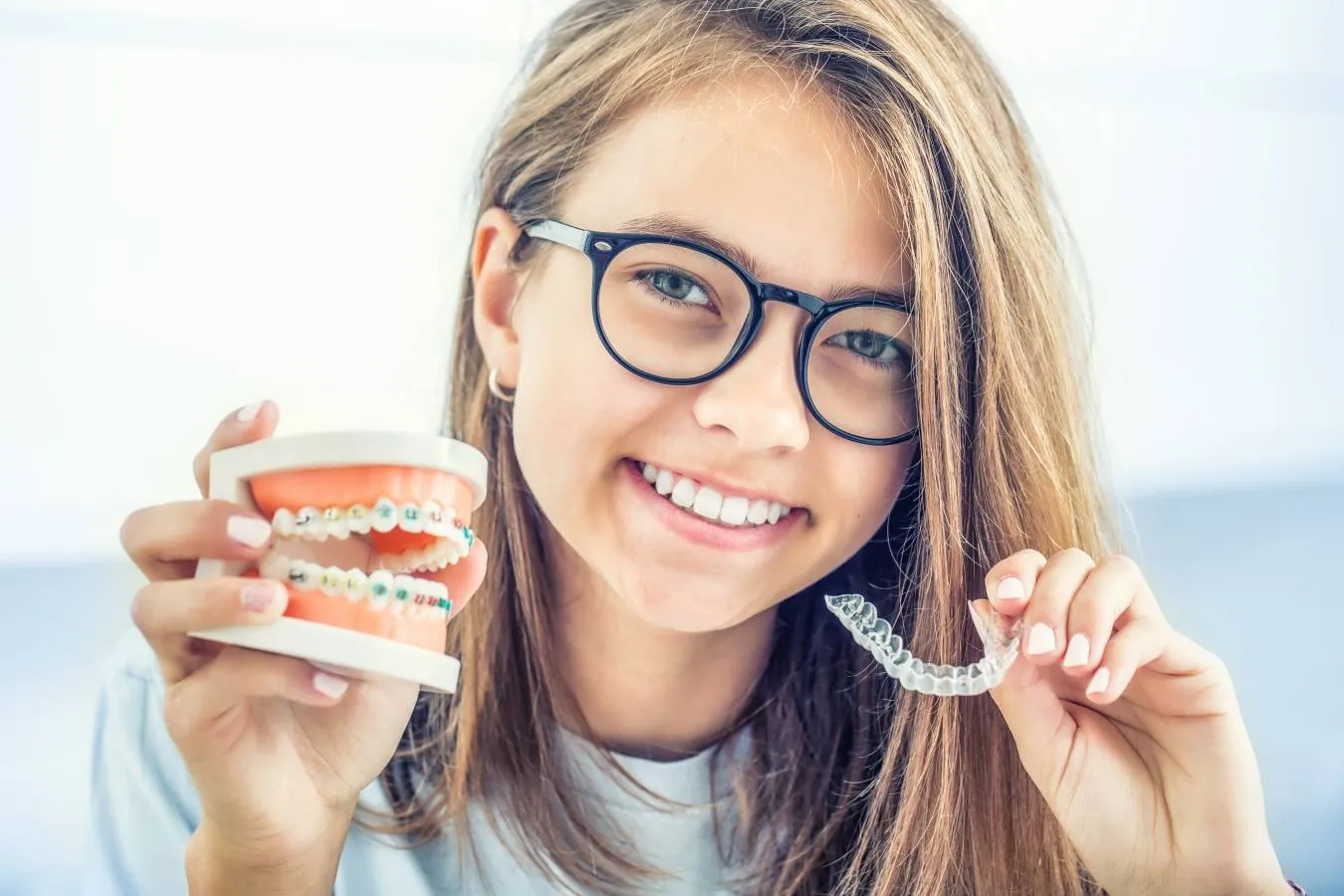
Choosing between braces and Invisalign is one of the most common questions patients ask during an orthodontic consultation. With so many modern treatment options available, it’s natural to wonder how orthodontists decide which approach is best — and whether one option is “better” than the other.
The truth is, orthodontists don’t choose treatment based on preference alone. The decision is guided by careful evaluation of your teeth, bite, lifestyle, and long-term goals. Understanding how this process works can help you feel more confident and informed as you explore orthodontic care.
There Is No One-Size-Fits-All Orthodontic Solution
Braces and Invisalign are both highly effective tools, but they function differently. Orthodontists view them as solutions for different needs rather than competing options.
Each patient’s mouth is unique. The position of the teeth, how the jaws fit together, and how much movement is required all influence which system will deliver the safest and most predictable results. In many cases, either option could work — but one may offer better efficiency or control.
How Orthodontists Evaluate Tooth Movement Needs
The first factor orthodontists consider is the type and amount of tooth movement required. Some movements are straightforward, while others are more complex and require precise control.
Braces are often preferred when treatment involves significant rotation, vertical movement, or bite correction. Their fixed design allows continuous force and precise adjustments that are difficult to replicate with removable systems.
Invisalign is highly effective for mild to moderate alignment issues, particularly when teeth are already relatively straight and the bite is stable. For these cases, aligners can deliver excellent results with less visibility.
Bite Alignment Plays a Major Role
Beyond straightening teeth, orthodontic treatment must ensure that the bite functions properly. Bite issues such as overbites, underbites, and crossbites affect how forces are distributed when chewing and speaking.
When bite correction is complex or requires ongoing adjustments, braces may offer greater control. Invisalign can address many bite concerns as well, but orthodontists evaluate whether aligners can reliably manage the required movements without compromising stability.
Function always comes before appearance.
Patient Age and Growth Considerations
Age and growth stage also influence treatment decisions. For children and younger teens whose jaws are still developing, braces are often recommended because they allow orthodontists to guide growth more effectively.
Adults, on the other hand, may be excellent candidates for Invisalign — especially if growth is complete and alignment concerns are mild to moderate. That said, adults with complex bite issues may still benefit more from braces.
Orthodontists consider not just chronological age, but how the teeth and jaw are developing.
Lifestyle and Compliance Factors
Lifestyle plays an important role in treatment success, especially with removable aligners. Invisalign requires consistent wear — typically 20 to 22 hours per day — to work as planned.
Orthodontists assess whether a patient is likely to wear aligners consistently. For patients who may forget to wear trays or remove them frequently, braces provide a “set-it-and-forget-it” approach that ensures continuous progress.
Commitment and habits matter just as much as technology.
Oral Hygiene and Maintenance
Oral hygiene considerations can also influence treatment recommendations. Invisalign aligners are removable, making brushing and flossing easier for many patients.
However, aligners require diligent cleaning and responsibility. Braces require more effort to clean around brackets and wires, but they don’t depend on daily compliance.
Orthodontists balance hygiene preferences with what’s most realistic for each patient.
Aesthetic Preferences vs. Treatment Efficiency
Many patients are drawn to Invisalign for its discreet appearance. While aesthetics are important, orthodontists prioritize outcomes and long-term stability.
In some cases, braces may achieve results more efficiently or with fewer refinements. In others, Invisalign offers comparable results with greater visual appeal.
Orthodontists aim to align treatment choices with both clinical needs and patient preferences whenever possible.
Cost and Treatment Planning Considerations
While cost alone doesn’t determine treatment choice, it can factor into planning. The overall investment often depends on treatment length and complexity rather than the appliance itself.
Orthodontists discuss costs transparently and explain what is included, helping patients make informed decisions without pressure.
Sometimes, a Combination Approach Is Best
In certain cases, orthodontists may recommend starting with braces and finishing with Invisalign — or vice versa. This hybrid approach allows providers to use the strengths of each system at different stages of treatment.
Treatment plans are flexible and may evolve as teeth respond. Adjustments are made to ensure the best possible outcome, not to stick rigidly to one method.
The Goal Is a Healthy, Stable Smile
Ultimately, the decision between braces and Invisalign is guided by one priority: creating a healthy, functional, and long-lasting smile.
Orthodontists evaluate your unique needs, explain the reasoning behind their recommendation, and work with you to choose the option that aligns with your goals and lifestyle.
If you’re considering orthodontic treatment in Massachusetts and wondering whether braces or Invisalign is right for you, ARCH Orthodontics offers personalized consultations designed to help you understand your options clearly and confidently. Schedule a free consultation to explore the best path forward for your smile.